
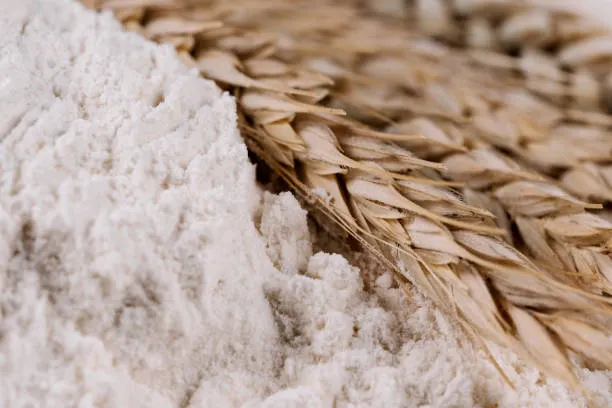
Over the last few years of baking and talking with so many of you at market, I've noticed a common theme. Someone will look at a loaf with a little longing and say, "I don't eat carbs anymore."
I understand where that comes from. For several years now, carbohydrates have been painted with a very broad brush. The message has often been that carbs are the problem. That they damage gut health. That they make it impossible to manage weight. So many people have chosen to avoid them altogether.
But nutrition is rarely that simple.
Not all carbohydrates are the same food
Carbohydrates are one of the three essential macronutrients our bodies need. They are not a single substance. They are a wide family of foods that range from refined sugar and packaged snacks to whole grains, beans, vegetables, and fruit.
When we talk about "good carbohydrates," we are talking about whole, real foods. Foods that still look like what they came from. Foods that contain fiber, natural starches, vitamins, and minerals. Foods that the body recognizes.
Refined carbohydrates are a different story. Many processed products labeled as "carbs" contain added sugars, stripped-down flours, industrial fats, and long ingredient lists. They digest quickly, spike blood sugar, and often leave us hungry again soon after. That is not the same thing as eating a whole grain or a properly fermented loaf of bread.
What healthy carbohydrates do for your gut
One of the most important roles healthy carbohydrates play is in supporting the gut. Our digestive tract is lined with a protective mucus barrier. That barrier does more than most people realize. It protects the intestinal lining. It helps move food smoothly through the system. It carries immune compounds that help defend us against harmful bacteria and viruses. And it provides a home for the trillions of beneficial microbes that make up our microbiome.
Carbohydrates, along with protein, are building blocks for that mucus layer. Here are five ways whole-food carbohydrates support gut health:
- They help maintain the integrity of the gut lining, protecting it from irritation and damage.
- They support lubrication, which allows digestion and elimination to happen smoothly and comfortably.
- They strengthen immune function. The mucus layer formed in part from carbohydrates contains antibodies and antimicrobial proteins that help neutralize harmful organisms.
- They nourish the microbiome. Many beneficial gut bacteria feed on certain fibers and resistant starches found in whole grains and vegetables. When we eat these foods, we are feeding those good bacteria.
- They help maintain proper hydration in the digestive tract, which supports overall digestive function.
Fiber and resistant starch
Fiber, a form of carbohydrate, is especially important. It slows digestion, stabilizes blood sugar, and provides fuel for beneficial bacteria. Some forms of carbohydrate, like resistant starch, pass through the small intestine undigested and become food for microbes in the colon. That process produces short-chain fatty acids that support gut and immune health.
This is why eliminating all carbohydrates can sometimes create new problems. Without enough fiber and whole-food starches, the microbiome can shift in ways that are not helpful. Digestion can slow. Energy levels can fluctuate.
The real conversation is quality
The real conversation is not "carbs or no carbs." It is about quality.
Whole grains, legumes, vegetables, fruit, and traditionally prepared foods have nourished humans for thousands of years. They were eaten alongside protein and healthy fats in balanced meals. They were not ultra-processed, stripped, and reshaped into something unrecognizable.
When we return to whole, real ingredients, the picture changes. As with most things in the kitchen and in the body, balance and simplicity tend to serve us well.